

Health Management Blogs

Gluten-Free: Is it actually healthier to be following a gluten-free diet?
There has been a significant rise in the popularity of gluten-free diets in the last decade, driven by media,
celebrities, and health claims, with gluten free diet information now the third most popular diet searched
online (Yes that’s right - The THIRD!). Have you wondered if you too should be following the crowd and avoiding gluten in your diet? It can be hard to know whether or not to believe the hype, so we have answered all your questions below and busted the myths.

Eat more to lose weight!
Yes, that’s correct! You have to eat more to lose weight…Typically when we think of losing weight we need to reduce the volume we eat, however that couldn’t be further from the truth – Stay with me… Let me explain! One of the biggest issues we face when trying to reduce our food consumption is hunger. Think about it, if you get hungry (and we all get hungry…) You’re more likely to overeat or choose something convenient to fix it and when we choose convenient foods, they are often really high in calories and not filling at all.

What causes bloating and how to prevent it!
Bloating is a sensation of fullness or tightness in the abdomen, often accompanied by a visible or palpable distension (swelling) of the belly. It's a common digestive issue that can be uncomfortable and sometimes painful. But don’t worry, it can be quite a simple problem to either completely resolve or reduce the level of symptoms.

Conquer your 3pm sweet tooth: A Dietitian's guide to healthy snacking
Are you familiar with the infamous 3 PM slump? That moment when your energy crashes, and the cravings kick in, often for something sweet? Fear not! We're here to share strategies to help you conquer that pesky sweet tooth and power through your afternoon without derailing your health goals.

Why do we need omega-3 fatty acid in our diet?
Omega-3 fatty acids are one of our ‘healthy’ fats – a form of polyunsaturated fatty acid. These are essential in our diet as our bodies cannot synthesise them on their own. The three main types of omega-3’s are eicosapentaenoic acid (EPA), docosahexaenoic acid (DHA), and alpha-linolenic acid (ALA).
EPA and DHA are commonly found in marine food sources including mackerel, Atlantic salmon, tuna, sardines, herring, yellowfin tuna, mussels and squid. These are the preferred form of omega-3s for the body.

Navigating the festive season: A Dietitian's mindful eating guide for Christmas
'Tis the season to be jolly, and what better way to spread joy than through the delights of Christmas feasting? While the holiday season brings with it an abundance of delicious food, it's important to navigate the festive feast with mindfulness to ensure both your taste buds and your wellbeing are in harmony. In this blog post, we'll explore some mindful eating strategies to help you savour the holiday flavours without compromising your health goals.

Unveiling the Truth: Do 'Low-Fat' Foods Contribute to Weight Gain?
When it comes to nutrition, the phrase 'low-fat' has long been associated with the epitome of a healthy diet. However, it's intriguing to note that in regions like France, where heart disease and diabetes are less prevalent, products labeled 'low-fat' are conspicuously scarce. On the flip side, in nations like Australia and the U.S., grappling with rising rates of obesity and lifestyle-related ailments, almost every product proudly flaunts a 'low-fat' alternative.

Ozempic (Semaglutide): A powerful Diabetes medication with weight loss benefits
Introduction: Semaglutide, known as Ozempic, is a ground-breaking type 2 diabetes medication that has garnered worldwide attention, not only for its effectiveness in managing diabetes but also for its remarkable weight loss benefits. This article explores how Ozempic, a member of the glucagon-like peptide 1 (GLP-1) receptor agonist class, offers a unique approach to diabetes treatment while promoting weight loss and how Dietitians can help maximise your results.
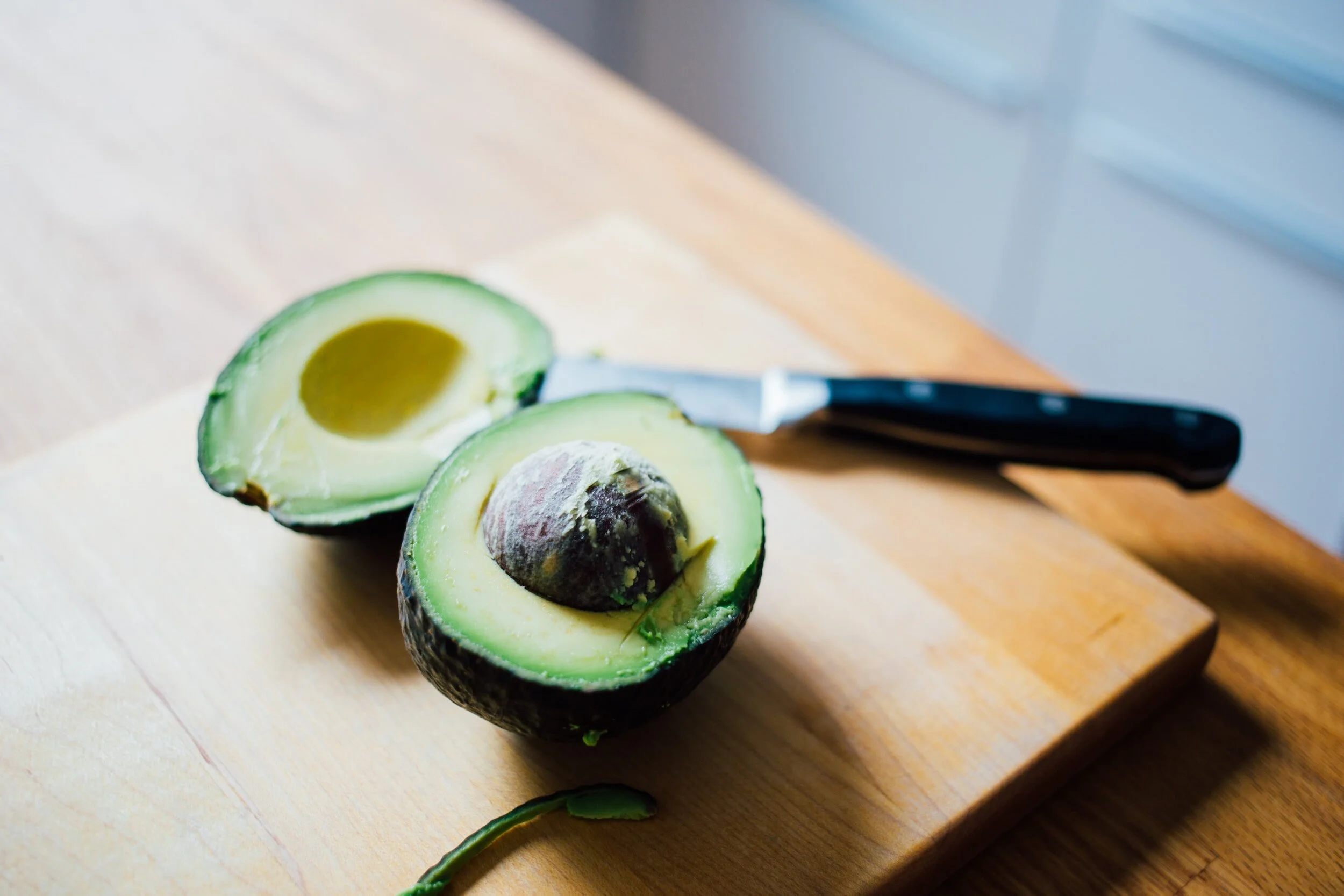
Supercharge your health: The ultimate guide to anti-inflammatory foods
Inflammation is like an unruly guest at the body's party – essential in small doses but disastrous in excess. Chronic inflammation is the troublemaker behind many health woes, from heart disease to arthritis. But here's the kicker: nature has a secret weapon to combat it, and it's called anti-inflammatory foods. Let's get right to the punch and uncover what they are and how they can transform your health.


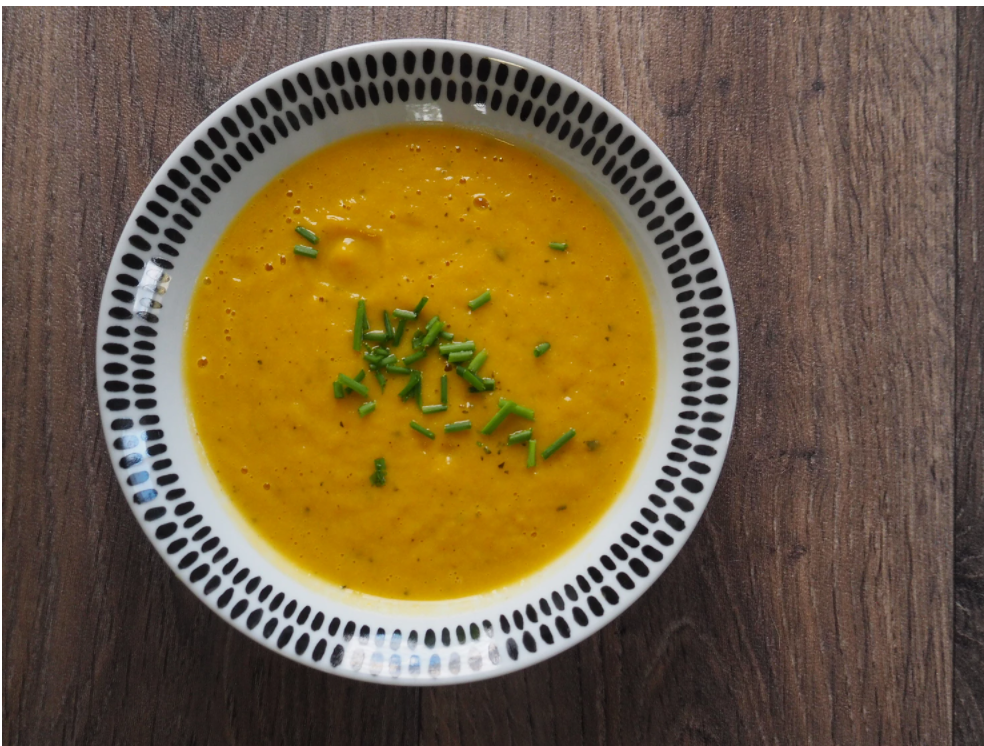
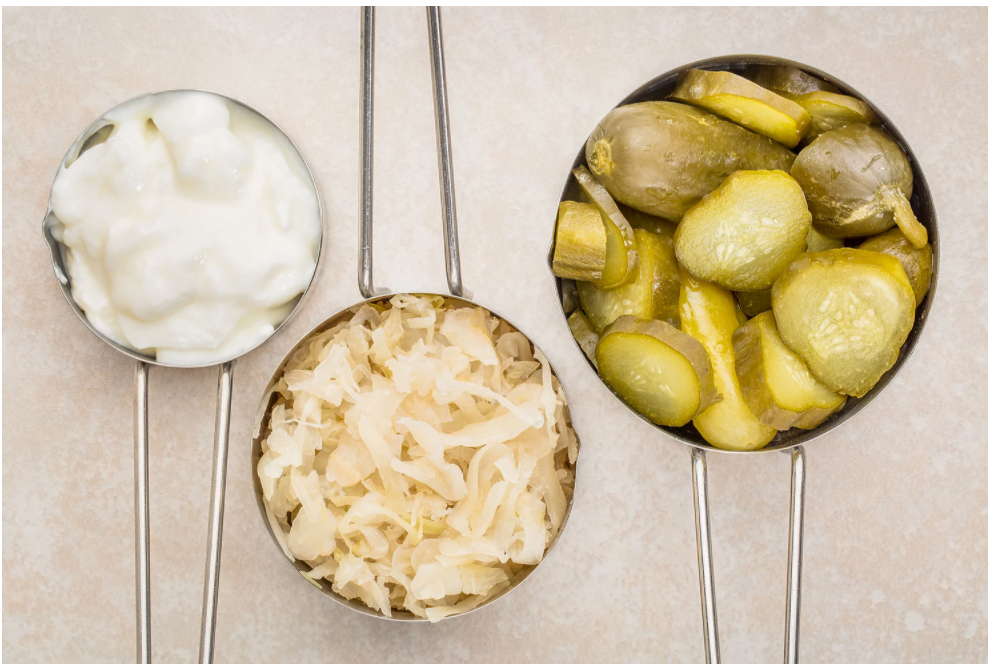

Prebiotics vs. probiotics, what is the difference?...and why should I care?
Although they may sound similar, prebiotics and probiotics are very different things and play different roles in the digestive system (or gut). The short is that prebiotics feed our gut bugs whereas probiotics are the new bugs being introduced to our guts. For more details, continue reading… Prebiotics come in the for
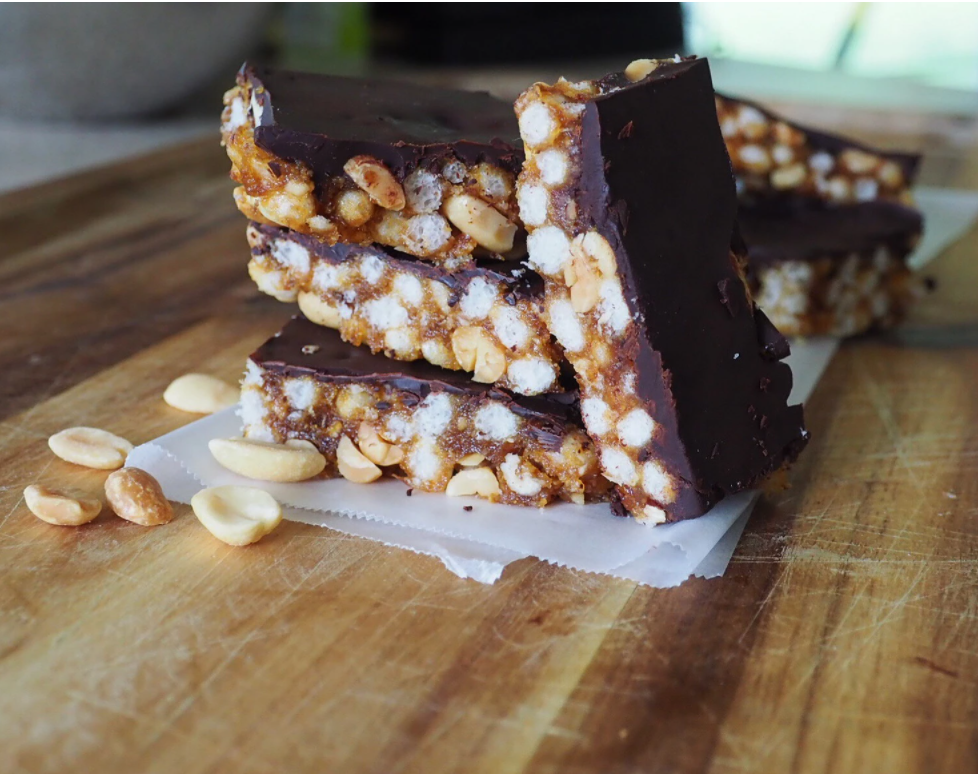


Three Common misconceptions about fermented foods
You’ve decided that including fermented foods in your diet is something you are interested in, after all, there many known health benefits and people rave about the taste. However you can’t quite bring yourself to make or buy your first batch. Or maybe you’ve acquired your first batch but are afraid to try it?

Chocolate Peanut Butter Bliss balls
Ingredients: 2 cups of dates 2 tablespoons of cocoa powder 2 tablespoons of Mayvers peanut butter (or any nut butter) Scoop of protein powder (optional) 1 tablespoon of chia seeds Splash of coconut water (or water) Chopped peanuts or hazelnuts Method: -In the food processor blend dates, cocoa powder, nut butter and chi